


By M.R.M. Waseem
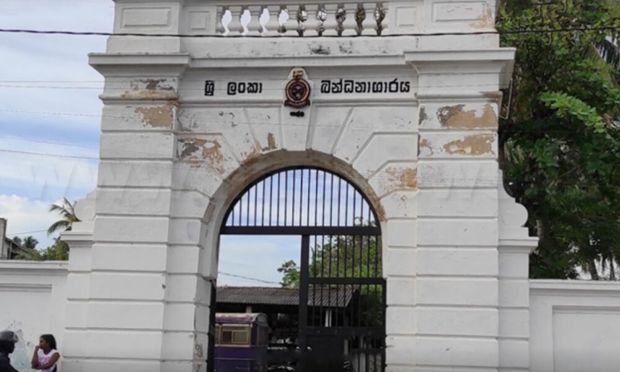
COLOMBO – Justice and National Integration Minister Harshana Nanayakkara said that many inmates in Sri Lanka’s prisons are products of failed early childhood development, stressing that society must play a greater role in preventing crime and reducing the demand for illegal drugs.
Speaking at the launch of an Early Childhood Development Program for children under five living with incarcerated mothers, the minister said rehabilitation and the protection of vulnerable children must remain a national priority.
The program, implemented through the Office for National Unity and Reconciliation of the Ministry of Justice and National Integration, was launched at the Thimbirigasyaya Divisional Secretariat in Colombo.
“It is our responsibility not only to rehabilitate offenders but also to safeguard the childhood of their innocent children,” Nanayakkara said, noting that this was not merely a legal obligation but a humanitarian duty.
He described prisons as a reflection of wider social inequalities and failures, noting that while some inmates had committed serious crimes, many others had been driven into conflict with the law by difficult life circumstances.
“A prison is a mirror of social injustice. Many people behind bars are there because of mistakes made at certain moments in their lives. Most of those in prison are individuals whose early childhood failed,” he said.
The minister stressed that children living in prison with their mothers had committed no wrongdoing and should be provided with a supportive environment and access to quality early childhood education.
He said programs for children in correctional facilities should take into account their religious, cultural and social identities, adding that similar initiatives should be expanded to other prisons across the country.
“Our success will not be measured by the number of prisons we build, but by the day we can close prisons and transform them into schools,” he said.
Nanayakkara also highlighted the government’s ongoing efforts to combat drug trafficking, noting that law enforcement authorities had recently intensified operations against narcotics networks.
While the state could enact laws and dismantle trafficking operations, he said reducing drug demand required broader community involvement.
“The government can act against drug distribution networks, but it is society’s responsibility to eliminate the demand for drugs,” he said, adding that today, drug traffickers do not enjoy government protection, and that firm action was being taken against them.
-ENCL

Comments are closed, but trackbacks and pingbacks are open.