

Colombo strengthens Israel partnership through labour and tourism

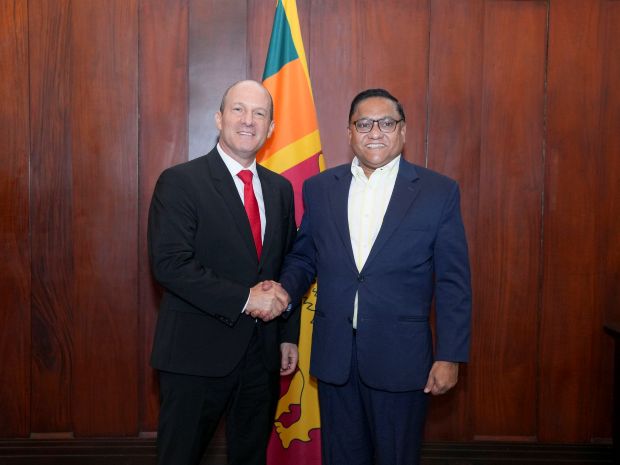
COLOMBO – Sri Lanka’s government has signalled a further strengthening of ties with Israel, as economic, labour and strategic cooperation between the two countries continues to expand.
Sri Lanka’s Foreign Affairs Minister Vijitha Herath held talks with Israel’s Ambassador to Sri Lanka, India and Bhutan, Reuven Azar, on April 29, with both sides expressing commitment to deepening bilateral relations.
Discussions reportedly focused on expanding cooperation across multiple sectors, including economic engagement, labour migration and tourism.
In a separate statement, Herath characterized the discussions as productive and pointed towards continued engagement between Colombo and Tel Aviv.
The meeting comes as Sri Lanka continues to expand labour ties with Israel, even amid growing international condemnation of Israel’s military operations in Gaza, Lebanon and Iran.
As previously reported, Sri Lanka moved to increase applications for employment opportunities in Israel despite warnings from rights groups and concerns over sending migrant workers into an active conflict zone.
In a recent interview, Israel’s Ambassador Azar outlined what he described as the growing economic importance of Sri Lankan labour in Israel.
According to Azar, the number of Sri Lankan workers in Israel has doubled over the past year to approximately 30,000, with Sri Lankans now accounting for around 10% of Israel’s foreign workforce.
He claimed Sri Lankan workers earn an average monthly salary of approximately US$2,500 and generate around US$900 million annually in remittances, which he said amounted to nearly one percent of Sri Lanka’s GDP.
The ambassador repeatedly framed the relationship as economically beneficial for Sri Lanka, emphasizing labour exports, tourism and future investment opportunities.
Azar also stated that Israeli tourists “love Sri Lanka”, describing the island as a highly attractive destination with significant potential for further tourism growth.
He said Israeli visitors were among those who “spend heavily” in Sri Lanka and suggested tourist flows could increase substantially in the coming years.
The ambassador additionally highlighted Israel’s economic links with India and broader regional investment ambitions, referring to efforts to deepen cooperation between Israeli and Indian financial markets.
Alongside economic ties, Azar also framed the relationship through the language of security and counter-terrorism.
Referring to what he described as a shared struggle against “radicalism and terrorism”, the ambassador suggested that such forces represented a threat to global stability and prosperity.
Azar also claimed that Israel and its allies play a role in countering the spread of “radicalism”, and the ambassador repeatedly sought to present Israel as economically resilient and technologically advanced.
The growing relationship comes against the backdrop of longstanding military and intelligence ties between Israel and Sri Lanka dating back decades.
As previously revealed in declassified Israeli Foreign Ministry documents, Israel provided extensive military assistance to Sri Lanka during the 1980s as Colombo sought support to “assist in solving the Tamil terrorism problem”.
The documents detailed Israeli arms sales, intelligence cooperation and training provided to Sri Lankan military and police units, including the notorious Special Task Force, despite awareness of widespread atrocities committed against Tamils. Israeli personnel reportedly trained Sri Lankan forces while Israeli-made military equipment, including Kfir fighter jets, later became closely associated with attacks on Tamil civilians during the armed conflict.
-TG

Comments are closed, but trackbacks and pingbacks are open.