

Sri Lanka cuts fuel prices as global oil markets stabilize

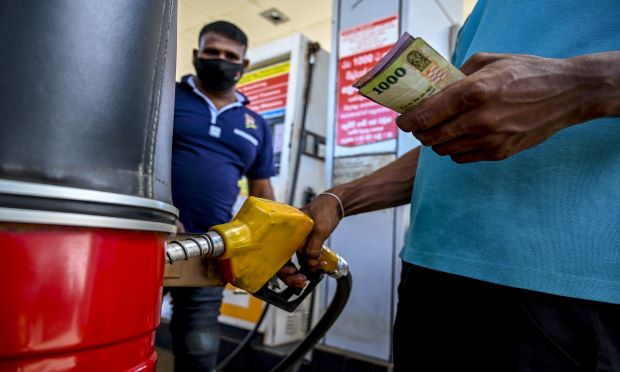
COLOMBO – Sri Lanka on Tuesday (June 30) reduced retail fuel prices for the first time in four months, reversing part of a series of steep increases imposed earlier this year as global crude oil prices retreated to near pre-conflict levels following volatility caused by tensions in the Middle East.
The state-owned Ceylon Petroleum Corporation (CPC) announced that, effective June 30, the price of Auto Diesel was reduced by Rs 25 to Rs 382 per litre, while Octane 92 petrol, the country’s most widely used gasoline grade, was cut by Rs 20 to Rs 414 per litre.
Prices of Super Diesel remained unchanged at Rs 478 per litre, Octane 95 petrol at Rs 495, and kerosene at Rs 285.
The reductions mark the first downward revision since February, when Sri Lanka began raising fuel prices in response to rising global oil prices and higher import costs triggered by escalating geopolitical tensions in the Middle East.
Between the end of February and the end of May, the price of Auto Diesel increased by about 47%, Octane 92 petrol by approximately 49%, and kerosene by around 57%, placing additional pressure on households and businesses already coping with a fragile economic recovery.
Sri Lanka, which imports all of its petroleum requirements, was forced to purchase fuel at elevated international prices during the period of market uncertainty. Limited fuel storage capacity has also constrained the country’s ability to build reserves when prices are low, exposing it to sudden fluctuations in global markets.
The country’s fuel import bill more than doubled in April to about US$886 million, compared with an average monthly expenditure of roughly US$330 million last year. During the first four months of the year, Sri Lanka had already spent more than half of its total oil import bill for all of the previous year.
Under the government’s cost-reflective pricing mechanism introduced as part of its economic reform program supported by the International Monetary Fund (IMF), domestic fuel prices are adjusted monthly to reflect movements in international petroleum prices and exchange rates.
The CPC, followed by private fuel retailers Lanka IOC and Sinopec, has largely passed increases in international procurement costs on to consumers to avoid losses by state-owned enterprises, in line with IMF reform commitments.
Government officials have previously acknowledged that the CPC continues to hold inventories purchased at higher prices and that this limits the extent to which retail prices can be reduced immediately, despite the recent easing in global oil markets.
The earlier fuel price increases triggered widespread increases in transportation and logistics costs across Sri Lanka, contributing to higher prices for food and other essential goods. Diesel, the primary fuel used in freight transport, agriculture and public transport, has a particularly significant impact on inflation.
Bus operators, school transport providers and three-wheeler associations raised fares following the earlier increases, while higher transport costs pushed up wholesale and retail prices for agricultural produce and other consumer goods.
Economists note that while fuel price reductions provide some relief to consumers, retail prices of goods and services often decline more slowly due to “price stickiness”, as businesses tend to maintain higher prices even after input costs ease.
-ENCL

Comments are closed, but trackbacks and pingbacks are open.