

Sri Lanka should harness diaspora to drive investment and growth, says former minister

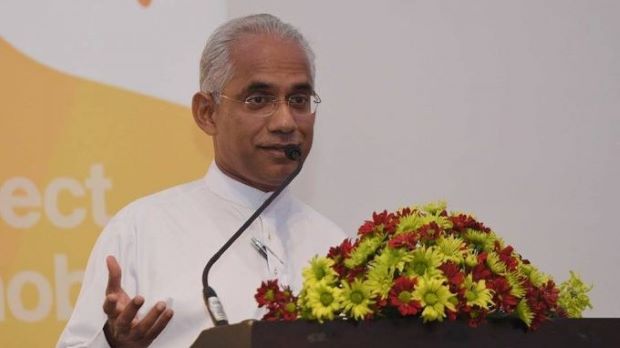
COLOMBO – Sri Lanka should view its large overseas diaspora as a strategic economic asset and introduce policies to encourage greater investment and engagement from expatriate communities, former State Minister of Finance Eran Wickramaratne said on Wednesday (July 1).
Speaking at the 159th anniversary celebrations of the Canadian Confederation, organized by the Sri Lanka–Canada Business Council in Colombo, Wickramaratne said Sri Lanka’s diaspora, particularly in countries such as Canada, represented a significant source of capital, expertise and international business networks that could help accelerate the country’s economic recovery.
“Many people see our diaspora only as a consequence of migration and brain drain. I see it as one of Sri Lanka’s greatest strengths and one of its biggest opportunities for economic development,” he said.
The event, held at the Cinnamon Grand Hotel, was attended by diplomats, business leaders, professionals and members of the Sri Lanka–Canada Business Council.
Wickramaratne said Sri Lanka has one of the world’s largest diaspora populations relative to its size, with many expatriates occupying influential positions in business, academia and professional sectors overseas.
He said first-generation migrants often maintain close personal and financial ties with Sri Lanka through family connections, while second- and third-generation Sri Lankans abroad possess the capacity to attract international investment, technology and commercial partnerships despite having weaker personal links to the country.
“They have access to global business networks, investment capital and modern technology. If we create the right environment, they can become an important bridge between Sri Lanka and international markets,” he said.
Wickramaratne called for policies to strengthen long-term ties between Sri Lanka and its overseas communities, including expanding access to dual citizenship and exploring permanent residency rights for second- and third-generation descendants of Sri Lankans born abroad.
“That is how we maintain an enduring bond and ensure future generations continue to see Sri Lanka as their home,” he said.
He also urged the government to simplify visa procedures and accelerate investment approvals, arguing that bureaucratic delays continue to discourage overseas Sri Lankans seeking to invest or relocate.
Recalling a recent conversation with a former Sri Lankan cricketer who is now a Canadian citizen, Wickramaratne said the individual had become frustrated by delays in government offices while attempting to complete business transactions during a visit to Sri Lanka.
He also cited difficulties faced by Sri Lankans married to foreign nationals in obtaining residency and visa approvals, describing administrative bottlenecks as a barrier to investment and talent attraction.
“If we expect greater investment and stronger trade links from overseas Sri Lankans, we must make it much easier for them to do business here,” he said.
Wickramaratne expressed optimism that the recent appointment of a new chairman to the Board of Investment would help improve the investment climate and speed up approval processes.
He also said Sri Lanka could draw lessons from Canada’s approach to managing relations with neighbouring countries, arguing that diplomacy and sound public policy, not military power, offer the best path for a small nation to safeguard its interests.
He further called for expanded Canadian scholarship programs and research partnerships in South Asia, saying stronger educational and academic exchanges would deepen bilateral ties and create new opportunities for collaboration between the two countries.
Wickramaratne currently chairs Sri Lanka’s Cricket Reforms Committee and previously served as State Minister of Finance.
-ENCL

Comments are closed, but trackbacks and pingbacks are open.