

Sri Lanka dengue deaths rise to 35 as cases top 56,000

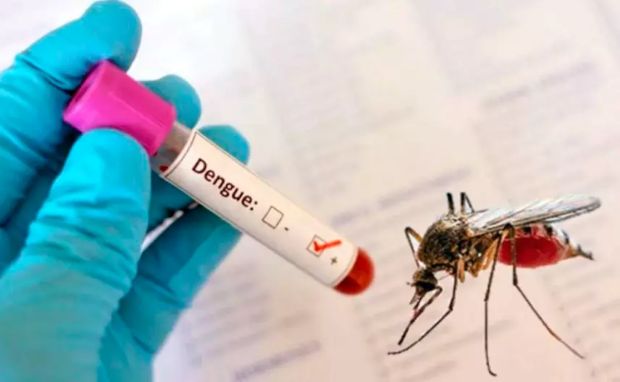
COLOMBO – Sri Lanka’s dengue outbreak continued to intensify on Thursday (2), with health authorities confirming 35 deaths this year and total infections surpassing 56,000, prompting the government to establish a dedicated operations centre and appeal for greater public cooperation to contain the spread of the disease.
The National Dengue Control Unit (NDCU) said more than 1,000 new infections were recorded during the past 24 hours, highlighting the continued acceleration of transmission across the island.
According to the latest NDCU figures, 55,422 dengue cases had been reported so far this year, while Acting Director Dr Kapila Kannangara said an additional 1,025 infections were confirmed within the previous 24 hours, taking the cumulative caseload beyond 56,000.
Health authorities also confirmed that the number of dengue-related deaths in 2026 has risen to 35.
In response to the worsening outbreak, the Ministry of Health and Mass Media has established a Dengue Operations Centre to strengthen surveillance, improve coordination of prevention programmes and expedite the reporting of dengue-related complaints and information.
The ministry has also launched a dedicated public hotline, 0117 966366, through which members of the public can obtain information on dengue prevention, report mosquito breeding sites and lodge complaints related to dengue control.
Health officials urged the public to make full use of the hotline, stressing that community participation remains critical to reducing mosquito breeding and preventing further transmission.
The latest figures come as the Colombo Municipal Council (CMC) intensified vector-control operations across the capital, where infections continue to rise.
Colombo Mayor Vraîe Cally Balthazaar said 2,343 dengue cases had been reported within the Colombo municipal area as of July 1, representing about 4.5% of all infections reported nationwide.
“Dengue remains one of the biggest public health challenges facing the city,” Balthazaar said, noting that monthly case numbers have continued to increase compared with previous years.
She said the CMC’s Public Health Department is conducting daily inspections and mosquito-control operations, with construction sites, schools, government and private institutions and places of worship identified as major breeding grounds for Aedes mosquitoes.
According to the council, Narahenpita, Gothami Pura, Thimbirigasyaya, Kirula, Kirulapone and Kettarama have been classified as high-risk dengue areas requiring intensified control measures.
Modara, Mattakkuliya, Kochchikade North, Kochchikade South, Kotahena, Wekanda, Kuppiyawatta East, Kuppiyawatta West, Borella North and Nugegoda have been identified as moderate-risk areas.
Municipal inspections found that 32.4% of construction sites in Colombo contained active mosquito breeding grounds, making them the single largest source of dengue risk in the city.
Mosquito breeding was also detected at 13% of schools, 7% of places of worship, 6.8% of commercial establishments and 6.2% of public spaces inspected by health officials.
Balthazaar said eliminating dengue required a collective effort and appealed to residents and institutions to regularly inspect their premises and remove stagnant water.
“The Municipal Council cannot keep the city free of mosquito breeding sites on its own. We need the cooperation of every institution and every member of the public to eliminate breeding places and prevent further transmission,” she said.
Sri Lanka is currently experiencing one of its most severe dengue outbreaks in recent years, with health officials attributing the surge to persistent rainfall, favourable mosquito breeding conditions and the re-emergence of Dengue Virus Serotype 2 (DENV-2), which has become the dominant circulating strain.
Authorities have urged households, businesses and construction companies to inspect their premises weekly, remove stagnant water from containers and dispose of waste responsibly, warning that sustained public participation remains essential if the outbreak is to be brought under control.
-ENCL

Comments are closed, but trackbacks and pingbacks are open.