

Dengue cases spike, prompting fresh health warning

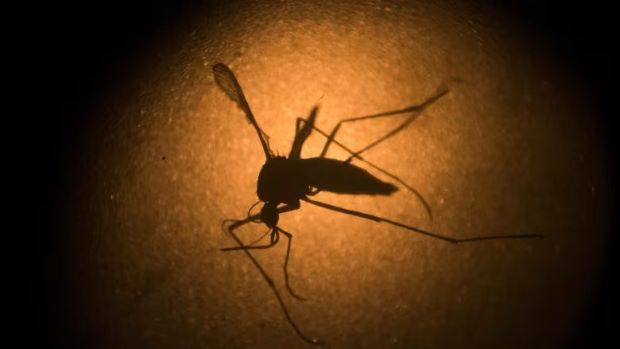
COLOMBO – Sri Lanka faces the risk of dengue cases reaching epidemic proportions this year as infections continue to rise sharply across the country, Health and Mass Media Ministry Secretary Dr Anil Jasinghe warned on Thursday (18).
Dr Jasinghe told a television current affairs talk show that health authorities were closely monitoring the situation following a significant increase in cases since April, with the onset of monsoon conditions expected to further accelerate transmission.
According to official figures, Sri Lanka reported approximately 5,600 dengue cases in April. The number surged to around 8,500 cases in May, and to over 7,000 cases in the first two weeks of June, reflecting a consistent steep increase in infections.
“Dengue has a tendency to reach epidemic proportions every few years,” Dr Jasinghe said, noting that the highest recorded level was in 2017, and this year, the trend WAS again moving upward.
“We need to take action now to bring it under control,” he said, stressing that dengue prevention efforts must be sustained throughout the year, as disease transmission can fluctuate depending on rainfall patterns and other climatic conditions.
Health authorities have intensified public awareness campaigns as the country enters a period traditionally associated with increased mosquito breeding.
The Health Promotion Bureau has issued a nationwide appeal urging households, workplaces, schools and communities to take immediate measures to eliminate mosquito breeding sites and prevent further spread of the disease.
Officials advised the public to inspect their surroundings at least once a week and remove any locations where water can collect and stagnate.
Potential breeding grounds identified by health authorities include flower pots, discarded coconut shells, used tyres, plastic containers, yoghurt cups, bottles and tins, as well as household items such as buckets, barrels and refrigerator drip trays. Roof gutters clogged with leaves and debris were also highlighted as common mosquito breeding sites.
The Bureau further warned that a fever lasting more than 48 hours should not be ignored, as it could be an early sign of dengue infection.
Members of the public were urged to seek medical attention promptly, particularly if symptoms develop among vulnerable groups such as pregnant women, young children, elderly persons and individuals suffering from chronic illnesses.
Health officials emphasized that prevention remains the most effective strategy against dengue, calling on communities to actively participate in vector control efforts.
“Protecting the environment today is far better than suffering the consequences of illness later,” the Health Promotion Bureau said in its public advisory.
-ENCL

Comments are closed, but trackbacks and pingbacks are open.