

Sri Lanka steps up Ebola surveillance after WHO alert

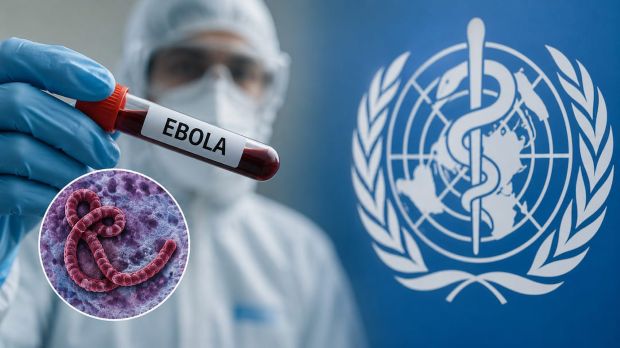
COLOMBO – Sri Lanka’s health authorities have activated enhanced surveillance and emergency preparedness measures following a World Health Organization (WHO) alert on an Ebola outbreak in parts of Africa, a senior health official said.
Dr Thushani Dabrera, Community Medicine Specialist, Epidemiology Unit, Ministry of Health, said the authorities have taken all necessary precautions to prevent the virus from entering Sri Lanka and are closely monitoring travellers arriving from affected regions.
Speaking at a special media briefing held at the Sri Lanka Medical Association on Monday (June 1), Dr Dabrera said the current outbreak is linked to the Bundibugyo strain of the Ebola virus, a rare but highly dangerous disease that periodically causes outbreaks in specific parts of the world.
“Ebola has an average fatality rate of around 50%, which is why the WHO and international health authorities are treating the outbreak with extreme caution,” she said.
The virus affects both humans and non-human primates, including gorillas and monkeys. Unlike respiratory illnesses, Ebola is transmitted through direct contact with the blood, bodily fluids or secretions of infected humans or animals, as well as through sexual contact.
Following the WHO alert, the Ministry of Health convened a high-level meeting involving the Health Secretary, Director General of Health Services and other relevant officials to review preparedness measures and conduct emergency response drills.
Dr Dabrera said special instructions have been issued to all relevant institutions, while enhanced screening procedures have been introduced at airports and seaports for travellers arriving from Ebola-affected countries, particularly the Democratic Republic of the Congo and Uganda.
“All travellers arriving from affected regions are subject to intensive health screening by port health officials, and information is immediately reported to the Epidemiology Unit for monitoring,” she said.
A dedicated isolation facility has also been activated under the Ministry of Health, while the National Institute of Infectious Diseases (IDH) has been designated to manage any suspected or confirmed cases.
According to health authorities, the IDH is fully prepared to handle potential Ebola patients, and arrangements for laboratory testing and diagnosis have already been finalized.
Dr Dabrera emphasized that Sri Lanka’s public health system remains on high alert and is prepared to respond swiftly should any suspected cases be detected.
“We have completed all necessary preparations, including surveillance, isolation, treatment and laboratory protocols, to respond to this potential public health threat,” she said.
-ENCL

Comments are closed, but trackbacks and pingbacks are open.