

Sri Lanka dengue cases rise above 27,000 amid monsoon warning

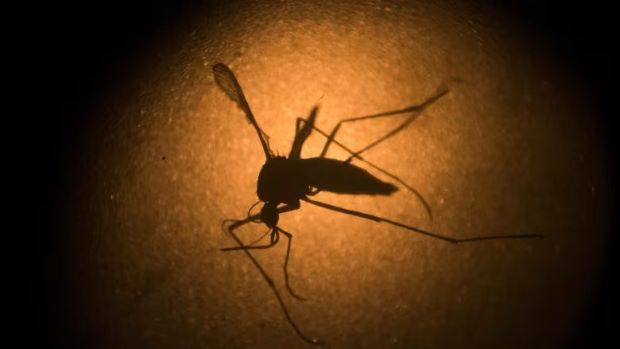
COLOMBO – Sri Lanka has recorded 27,754 dengue cases and 14 related deaths so far this year, health officials said, warning that the onset of monsoon rains could lead to a further surge in infections across the island.
According to the National Dengue Control Unit (NDCU), the number of dengue infections reported up to May 11 marks an increase compared to the same period in 2025, raising concerns among public health authorities over the spread of the mosquito-borne disease.
The Western Province has reported the highest number of infections, while significant case numbers have also been recorded in the districts of Matara, Galle, Ratnapura, Kalutara and Kandy during the first four months of 2026.
Health authorities said dengue cases have now been reported from all 25 districts in the country, indicating widespread transmission.
Community Medical Specialist Dr. Priscilla Samaraweera of the NDCU warned that prevailing weather conditions could worsen the situation in the coming weeks.
“With the commencement of monsoon rains, there is a likelihood of a further increase in dengue cases,” she said, urging the public to take immediate measures to destroy mosquito breeding grounds and maintain clean surroundings.
Public health officials have repeatedly stressed that stagnant water collected in containers, gutters, discarded plastic items and construction sites provides ideal breeding conditions for the Aedes mosquito, which transmits dengue.
Authorities have called on households, schools, workplaces and local government bodies to intensify mosquito control programmes, particularly in high-risk urban and densely populated areas.
Dengue is a viral disease transmitted through the bite of infected mosquitoes and can take up to two weeks to develop after exposure. Symptoms commonly include fever, severe headache, nausea, vomiting, skin rash, muscle and joint pain, and minor bleeding.
Health experts warned that while most patients recover within a week, the disease can rapidly progress into severe dengue, a potentially fatal condition requiring urgent medical treatment and hospitalization.
-ENCL

Comments are closed, but trackbacks and pingbacks are open.