

Sri Lanka needs a complete overhaul of its prison and justice system

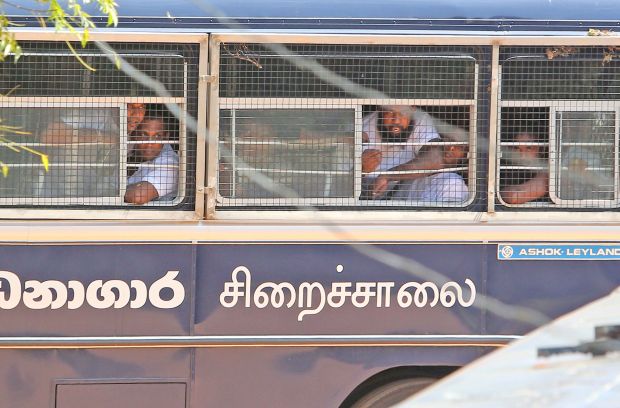
By Raj Sivanathan
The tragic events at Negombo Prison have once again exposed deep structural weaknesses within Sri Lanka’s correctional and criminal justice systems. While investigations continue into the precise causes of the riot, early indications suggest that organized criminal activity, prison gangs, illicit drug networks and severe overcrowding created the conditions that allowed violence to escalate into a national tragedy. The loss of both prison officers and inmates is a reminder that the issue extends far beyond one prison or one incident. It reflects long-standing failures in prison administration, sentencing policy, rehabilitation and the broader justice system.
If Sri Lanka responds only by strengthening security or building higher prison walls, it will miss the opportunity for genuine reform. The country must instead ask a more fundamental question: what is the purpose of prison? For too long, prisons have functioned primarily as places of confinement rather than centres of rehabilitation. When correctional institutions become overcrowded, understaffed and influenced by organized crime, they cease to protect society. Instead, they risk becoming environments where criminal networks expand and offending becomes more entrenched.
Overcrowding is more than a capacity problem. When institutions designed for a limited number of inmates are forced to house several times that number, healthcare deteriorates, mental health services become inadequate, education and vocational training are disrupted, security weakens, gang influence grows, and violence becomes more likely. Overcrowding directly undermines public safety both inside and outside prison walls.
Sri Lanka should carefully reconsider whether imprisonment is the appropriate response for every offence. Violent offenders, organized crime figures and repeat offenders require firm custodial sentences to protect society. However, many individuals convicted of petty theft, low-value property offences or other non-violent crimes may benefit more from community service, probation, restorative justice, electronic monitoring or structured supervision. Mixing first-time offenders with hardened criminals often increases the likelihood of reoffending instead of reducing it.
Drug addiction also requires a public health response. Many offenders enter prison with substance dependency. Without treatment, they frequently leave with the same addiction and stronger criminal connections. Sri Lanka should establish specialized rehabilitation centres that combine medical treatment, psychological counselling, vocational training and structured reintegration into society.
Prisoner classification must become a priority. Gang leaders and organized crime figures should be separated from first-time and low-risk offenders. Modern intelligence systems, surveillance technology, anti-corruption safeguards and better training for correctional officers are essential to maintaining order and preventing criminal organizations from operating inside prisons.
Prison reform cannot succeed without legal reform. Long remand periods, repeated adjournments and delays in the courts contribute significantly to overcrowding. Expanding judicial capacity, improving digital case management and making greater use of bail where appropriate would reduce unnecessary detention while maintaining public safety.
Rehabilitation should continue after release. Employment assistance, vocational certification, counselling, family support and community mentoring help former prisoners rebuild their lives and reduce repeat offending. Successful reintegration benefits victims, taxpayers, and society as a whole.
Sri Lanka can draw lessons from countries that have successfully balanced accountability with rehabilitation. While every country must develop solutions suited to its own circumstances, international experience consistently demonstrates that investing in rehabilitation, education, addiction treatment, and alternatives to imprisonment for suitable offenders reduces crime more effectively than relying solely on incarceration.
The Negombo Prison riot should become a catalyst for comprehensive national reform. An independent review of sentencing policy, prison infrastructure, rehabilitation programmes, prisoner classification, anti-corruption measures, court efficiency, and post-release reintegration would provide the foundation for a safer and more effective correctional system.
The true strength of a justice system is measured not by the number of people it imprisons, but by its ability to protect society, reduce reoffending, rehabilitate those who can change and uphold the rule of law. If meaningful reforms emerge from this tragedy, Sri Lanka can transform a painful chapter into an opportunity to build a correctional system that is safer, fairer and focused on lasting public safety.
-This article was originally featured on groundviews.org

Comments are closed, but trackbacks and pingbacks are open.