


COLOMBO – Sri Lanka’s largest superannuation fund, the Employees’ Provident Fund (EPF), has lower disclosure standards than listed firms, commercial banks, and unit trusts, a Colombo-based think tank said.
The EPF “discloses less information, in less detail, less often, and with less timeliness than these other entities, which also hold pools of public savings,” Verite Research said in a statement.
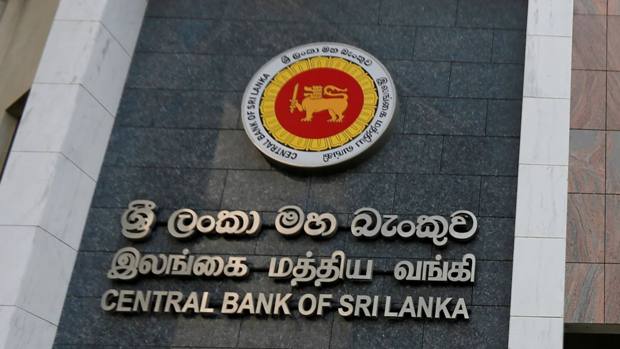
“This suggests that the Central Bank of Sri Lanka (CBSL), as the manager of the EPF, applies lower transparency standards to the EPF than is applied to other financial entities that are regulated.”
Private-sector workers are mandated by law to contribute to the EPF, play no role in the fund’s management, and cannot withdraw their savings at will, Verite pointed out.
Parliamentarian Ravi Karunanayake has pointed out that the recent 13.2 billion fraud at National Development Bank PLC (NDB) and the bank’s subsequent decision to withhold a dividend affected the EPF greatly, as it holds approximately 9.46% to 9.50% of the total equity in NDB, and questioned the CBSL’s lack of oversight. “The same central bank that handles the EPF is investing in the same NDB Bank,” he noted.
Adhering to global standards of transparency is the only safeguard EPF members have to ensure their future welfare is protected, Verite Research said.
The Verite Research statement in full:
The Employees’ Provident Fund (EPF), despite being Sri Lanka’s largest financial institution, has lower transparency and disclosure standards compared to other entities that manage funds on behalf of third parties, such as companies listed on the Colombo Stock Exchange, licensed commercial banks, and unit trusts.
This was revealed in a new research brief by Verité Research titled ‘The Employment Provident Fund in Sri Lanka: A Comparative Assessment of the Adequacy of Information Disclosure’ published today.
The brief found that the EPF discloses less information, in less detail, less often, and with less timeliness than these other entities, which also hold pools of public savings. This suggests that the Central Bank of Sri Lanka (CBSL), as the manager of the EPF, applies lower transparency standards to the EPF than it does to other financial entities that are regulated.
The EPF also falls short of the international benchmarks for timely, detailed, and accessible public disclosure of fund information as specified in the OECD’s International Organization of Pension Supervisors (IOPS) principles and the ‘Global Pension Transparency Benchmark (GPTB)’.
These shortcomings are critical due to the unique position of the EPF members. Private-sector workers are mandated by law to contribute to the EPF, play no role in the fund’s management, and cannot withdraw their savings at will.
Consequently, adhering to global standards of transparency is the only safeguard members have to ensure their future welfare is protected. This concern is further heightened by the EPF’s past exposure to financial malpractice, as revealed in the forensic audits published in 2019.
The research brief identifies that three short- to medium-term reforms can address these failures. First, ensuring full compliance with the EPF Act, second, adopting international best practices, and third, enacting the 2024 private member’s bill on EPF disclosure. Longer-term reform includes the need for more robust regulation of the EPF to protect the interests of the EPF members and the integrity of the EPF.
The full research brief by Verité Research can be accessed at The Employment Provident Fund in Sri Lanka: A Comparative Assessment of the Adequacy of Information Disclosure
-EN

Comments are closed, but trackbacks and pingbacks are open.