

Sri Lanka to seek international assistance for Chemmani DNA testing

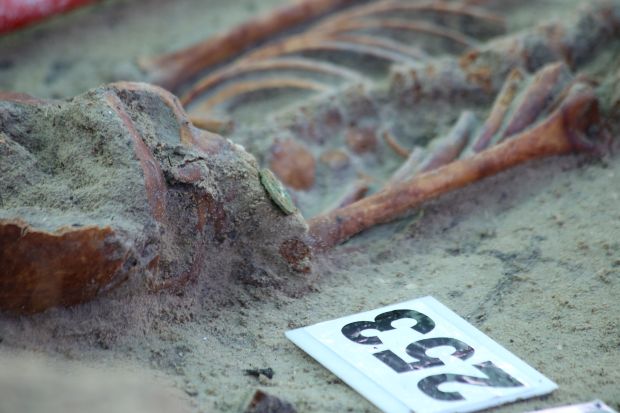
COLOMBO – Sri Lanka will seek international assistance for DNA testing and identification of human remains recovered from the Chemmani mass grave, Justice and National Integration Minister Harshana Nanayakkara told Parliament on Thursday (25), pledging that the government would uncover the truth behind one of the country’s most sensitive post-war investigations.
Responding to a question raised by Tamil National Alliance MP Shanakiyan Rasamanickam under Standing Order 27(2), the minister said the excavation and identification process was being carried out under court supervision and in accordance with forensic and legal procedures.
Nanayakkara said he had personally visited the Chemmani excavation site last week and witnessed the scale and complexity of the operation.
“The people are waiting for the truth. We will certainly reveal the truth. We have no need to protect anyone or conceal the truth,” he told Parliament.
The minister said a total of 412 skeletal remains had been identified at the site so far, while 409 sets of remains had been fully exhumed. However, he declined to disclose further details, citing the ongoing nature of the investigation.
“The excavation work is extensive and highly sensitive. Because investigations are continuing, it is not appropriate to reveal all available information at this stage,” he said.
He noted that reports on the excavations and forensic examinations had already been submitted to court, while authorities were working closely with the families of missing persons throughout the process.
Nanayakkara said the government had engaged with international partners to strengthen forensic and identification efforts. The Office on Missing Persons (OMP) and the International Committee of the Red Cross (ICRC) had jointly provided specialized training to judicial medical officers and other officials involved in the investigation.
He also confirmed that diplomatic missions had been informed of developments relating to the Chemmani mass grave and that international cooperation would be sought for DNA analysis and victim identification.
“The next phase of the process cannot proceed until the current excavation work is completed,” he said.
The minister also drew attention to the government’s commitment to uncovering the truth surrounding past human rights abuses, including the 1996 murder of schoolgirl Krishanthi Kumaraswamy, whose case first brought international attention to allegations of mass burials in Chemmani.
“Our government has brought to light matters that remained hidden in relation to the murder of Krishanthi Kumaraswamy. No government over the past 25 years exposed these issues. It is the responsibility of the state to reveal the truth, and we will do so,” he said.
-ENCL

Comments are closed, but trackbacks and pingbacks are open.