


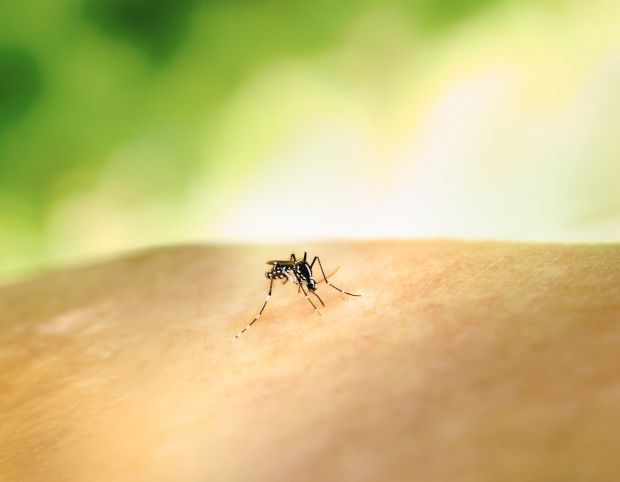
COLOMBO – Sri Lanka has recorded over 53,000 dengue cases this year, including over 19,000 infections in June alone, with health authorities warning that the re-emergence of a previously circulating virus strain, coupled with persistent mosquito breeding following last year’s floods, is driving a sharp nationwide increase in cases.
According to the National Dengue Control Unit (NDCU), the country’s dengue tally had reached 53,159, and the death toll had reach 31 by midnight on Saturday (27), with the Western, Southern, Sabaragamuwa, Central and Eastern Provinces accounting for the highest number of infections.
NDCU officials say the resurgence is being fuelled by the return of Dengue Virus Serotype 2 (DENV-2), which now accounts for about 75% of confirmed cases. The remaining 25% are linked to Dengue Virus Serotype 3 (DENV-3), which was the dominant strain circulating in Sri Lanka throughout 2023, 2024 and 2025.
NDCU Director Dr Kapila Kannangara said DENV-2 is not a new virus but one that had largely been brought under control following the country’s major dengue outbreak in 2017 without being completely eradicated.
“The immunity developed by much of the population over the past few years has primarily been against DENV-3,” he said, adding that as DENV-2 has become dominant again, a larger proportion of the population is now susceptible to infection.
Health experts warn that shifts in dominant dengue virus serotypes can increase the risk of outbreaks, particularly among people with little or no immunity to the newly circulating strain.
Kannangara said environmental conditions created by the severe cyclone and floods that struck Sri Lanka in November 2025 continue to contribute significantly to mosquito breeding.
Floodwaters, landslides and uncleared debris left behind by the disaster created thousands of stagnant water collections, providing ideal breeding habitats for Aedes mosquitoes, the primary carriers of dengue.
He said intermittent rainfall in the months since the cyclone has allowed mosquito populations to remain active well beyond Sri Lanka’s traditional dengue transmission seasons, which normally coincide with the South-West and North-East monsoons.
The persistence of mosquito breeding has been compounded by poor waste management practices, Kannangara said, noting that discarded plastic containers, bottles, cans, tyres and other refuse continue to collect rainwater and serve as breeding sites.
Health authorities have repeatedly urged the public to inspect homes and surrounding premises at least once a week and remove stagnant water from containers, roof gutters, flower pots and other potential breeding sites.
Officials have also intensified vector-control programs in high-risk districts through inspections, fogging operations and public awareness campaigns, while warning that community participation remains critical to preventing further spread of the disease.
-ENCL

Comments are closed, but trackbacks and pingbacks are open.