

Sri Lanka rolls out grid stability reforms to prevent repeat of February nationwide blackout

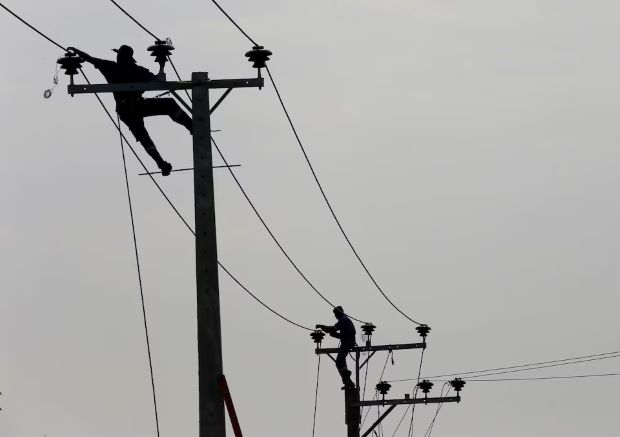
COLOMBO – Sri Lanka’s Ministry of Power and Energy has begun implementing a series of technical and operational reforms, including new software systems and battery storage facilities, to prevent a recurrence of the island wide power outage that disrupted the country on February 9, Energy Minister Anura Karunathilaka told Parliament.
Karunathilaka said two separate inquiry committees – one appointed by the ministry and the other by the Ceylon Electricity Board (CEB) – had investigated the causes of the nationwide collapse and jointly proposed 12 recommendations aimed at strengthening grid security and improving system resilience.
“We have instructed the Ceylon Electricity Board to implement the recommendations of the ministry committee immediately to ensure system stability,” the minister said.
Among the key interventions now underway is the procurement of specialized ‘RE-desk’ software for the CEB’s System Control Centre. The software is intended to improve real-time monitoring and dispatch management of the increasing number of renewable energy plants feeding into the national grid.
Karunathilaka said the ministry has already acquired an additional forecasting software platform to predict renewable energy generation more accurately, enabling operators to better balance intermittent solar and wind power with conventional electricity supply.
In a further move to physically stabilize the network, the government has initiated the installation of Battery Energy Storage Systems (BESS), which are designed to absorb fluctuations in supply and demand and provide emergency support during sudden disturbances.
The minister also said steps are being taken to install a synchronous condenser at the New Habarana Grid Substation with World Bank assistance, a measure expected to enhance voltage control and frequency stability across the transmission network.
Special attention is also being paid to periods of low electricity demand, particularly Sundays and public holidays, when the grid becomes more vulnerable to instability due to the high share of variable renewable energy and reduced conventional generation.
Karunathilaka said a special operational policy has now been introduced requiring greater “inertia” from traditional power plants during such periods in order to maintain system frequency within safe limits.
The ministry has further directed the CEB to revise and publish updated protection parameters and reassess automatic load-shedding settings so that they better correspond with Sri Lanka’s evolving generation mix.
A four-member monitoring committee has been appointed to oversee implementation of the recommendations and track progress of the multiple interventions now being rolled out.
The February 9 outage, one of the worst system failures in recent years, exposed growing weaknesses in Sri Lanka’s power grid as renewable energy penetration rises without corresponding upgrades to grid management and storage infrastructure.
-ENCL

Comments are closed, but trackbacks and pingbacks are open.