

Sri Lanka enforces odd-even rules and four-day work week amid global fuel supply fears

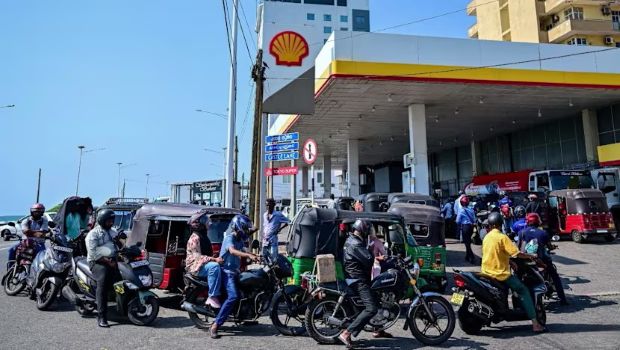
COLOMBO – Sri Lanka has introduced sweeping fuel conservation measures, including an odd–even day vehicle fuel system and a four-day work week, as supply disruptions linked to tensions in the Middle East raise concerns over prolonged shortages.
The Ceylon Petroleum Corporation (CPC) said vehicle owners will be allowed to purchase fuel based on the last digit of their number plates, with the system coming into effect from Thursday (19).
Under the scheme, vehicles with number plates ending in 0, 2, 4, 6, and 8 can obtain fuel on even-numbered dates, while those ending in 1, 3, 5, 7, and 9 are permitted to refuel on odd-numbered dates, CPC Managing Director Mayura Neththikumarage said.
The measure complements the reintroduction of the QR code-based fuel distribution system earlier this week, as authorities seek to curb hoarding and regulate demand.
The CPC said fuel supply routes have been increasingly disrupted due to the ongoing conflict in the Middle East, driving abnormal increases in domestic demand and necessitating strict conservation of available reserves.
In a parallel move, Sri Lanka shifted to a four-day work week for state institutions from Wednesday (18), in a bid to reduce fuel consumption. Prabath Chandrakeerthi, Commissioner-General of Essential Services, said the policy will also apply to schools and universities and remain in force indefinitely.
Authorities have urged the private sector to adopt similar measures, including designating Wednesdays as a non-working day, while encouraging remote work where possible. Essential services such as hospitals, ports and emergency operations will continue without interruption.
The measures come amid heightened global uncertainty following disruptions to shipping through the Strait of Hormuz, a key artery for global oil supplies.
Sri Lanka, which relies entirely on imported fuel, has already imposed weekly fuel limits of 15 litres per motorist, with higher allocations for public transport. Officials estimate current reserves could last about six weeks but warn that delays in fresh supplies could severely impact the economy.
The government has also suspended public events and introduced austerity measures, including cuts to fuel allowances for state vehicles, as it seeks to avoid a repeat of the 2022 economic crisis.
Similar conservation measures have been introduced in other countries facing energy pressures. Pakistan has shifted to remote work and closed schools, while the Philippines has adopted a four-day work week to mitigate the economic fallout of the crisis.
Analysts warn that a prolonged conflict in the Middle East could further strain global energy markets and complicate Sri Lanka’s fragile economic recovery.
-ENCL

Comments are closed, but trackbacks and pingbacks are open.