

Poor social impact reporting makes Sri Lanka EIAs unreliable, study finds

 -onlinelegaladvisor.in
COLOMBO – Reporting on social impacts in Environmental Impact Assessments (EIAs) in Sri Lanka remains weak and inconsistent, reducing their reliability for policymakers and investors, according to a new study by the Centre for a Smart Future (CSF).
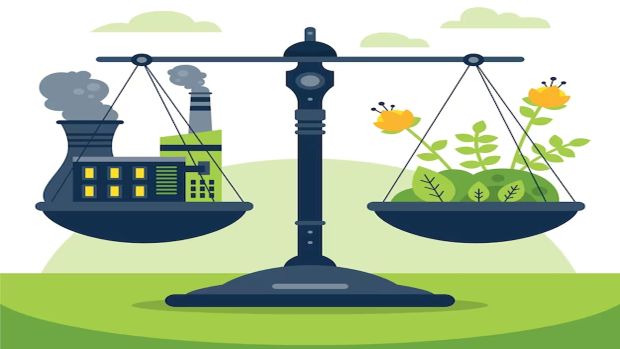
EIAs are intended to identify, anticipate and mitigate potential harm to communities and the environment before major development projects are approved. However, CSF’s analysis found that social impact assessment is frequently treated as a secondary component, with key methodological details often omitted.
The report, titled ‘Assessing the Assessments: An Analysis of Social Impacts Reported in Environmental Impact Assessments (EIAs) in Sri Lanka’, reviewed 250 EIA reports produced between 1991 and 2025. It is the first systematic, longitudinal assessment of social impact reporting within Sri Lanka’s EIA framework, CSF said.
According to the findings, many EIAs discuss social impacts without specifying essential information such as the magnitude of impacts, whether they are reversible, and their duration over time. In numerous cases, the methods used to identify and assess social impacts were not reported at all, raising concerns about transparency and credibility.
“Most impacts are discussed without specifying crucial information such as magnitude, reversibility and temporality,” CSF said in the report.
While the study found that reporting quality has improved gradually over time, it remains uneven and highly dependent on institutional and project-specific factors. These include the type of project, the nature of the project proponent, the consultant involved, and whether an international development partner is associated with the project.
CSF also noted that although project-specific Terms of Reference (ToRs) influence reporting quality, ToRs themselves are often drafted inconsistently, both within and across the authorities responsible for issuing them. This inconsistency, the report said, contributes to uneven standards in social impact assessment.
Qualitative analysis in the study highlighted instances where social impact assessments fell outside the conceptual scope of EIAs and, in some cases, violated basic ethical standards in the conduct and reporting of socio-economic research.
The report calls for stronger quality control mechanisms within the EIA process, improved training and awareness among consultants, and greater public access to EIA documents. Key recommendations include revising existing national EIA guidelines and streamlining the drafting of ToRs to ensure consistency and clarity.
CSF said it is engaging with government agencies involved in the EIA process to share the findings and advocate for reforms aimed at strengthening the credibility and effectiveness of EIAs in Sri Lanka.
-ENCL

Comments are closed, but trackbacks and pingbacks are open.