

Over 2,100 dengue cases recorded in first 9 days of 2026

COLOMBO – Sri Lanka has reported 2,170 dengue cases within the first nine days of 2026, averaging around 240 cases per day, with infections detected across 41 Medical Officer of Health (MOH) divisions, health authorities said.
According to the National Dengue Control Unit (NDCU), all 41 affected MOH divisions have been classified as being in a ‘high-risk dengue situation’, raising concerns of a potential early-year surge in infections.
Health officials attribute the spike largely to stagnant floodwaters left behind by Cyclone Ditwah, which struck large swathes of the country in late November and early December 2025. The flooding created widespread mosquito breeding grounds, particularly in low-lying and poorly drained areas.
Community Medical Specialist at the NDCU, Dr Prashila Samaraweera, said health teams have intensified field surveillance, vector control, and public awareness activities in the high-risk divisions to prevent further escalation.
“We are carrying out targeted inspections and mosquito-control operations in areas where breeding sites are most prevalent,” Dr Samaraweera said, adding that inter-sectoral coordination with local authorities has also been strengthened.
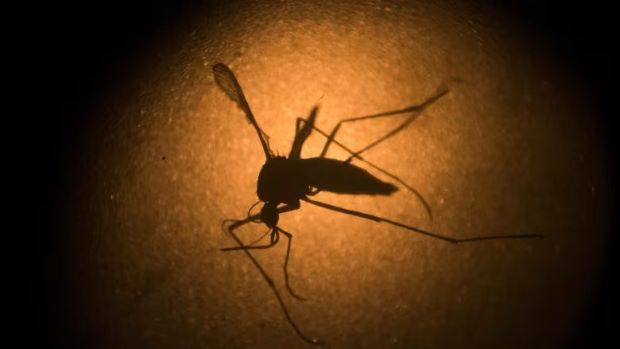
Officials have identified schools, government institutions, places of worship, abandoned buildings, and neglected lands as major mosquito breeding hotspots. Accumulated rainwater in discarded containers, blocked drains, and unused premises has contributed significantly to the rapid spread of the Aedes mosquito, the primary vector for dengue.
The early rise in cases comes after Sri Lanka recorded 51,479 dengue infections in 2025, underscoring the persistent public health challenge posed by the disease. Health authorities warn that further rainfall combined with inadequate environmental management could worsen the situation in the coming weeks.
The Ministry of Health has urged the public to eliminate standing water around homes and workplaces, cooperate with inspection teams, and seek immediate medical attention if dengue symptoms, such as high fever, severe headache, joint pain, or bleeding tendencies, appear.
-ENCL

Comments are closed, but trackbacks and pingbacks are open.