

Sri Lanka ranked among the unhealthy 40 in World Global Health Index 2025

COLOMBO – Sri Lanka has been ranked 158th in the CEOWorld Global Health Index 2025, placing the country among the bottom 40 least healthy nations globally, with an overall health score of 54.55. The score categorizes Sri Lanka as below average in overall population health, highlighting growing concerns over lifestyle-related illnesses and public health outcomes.
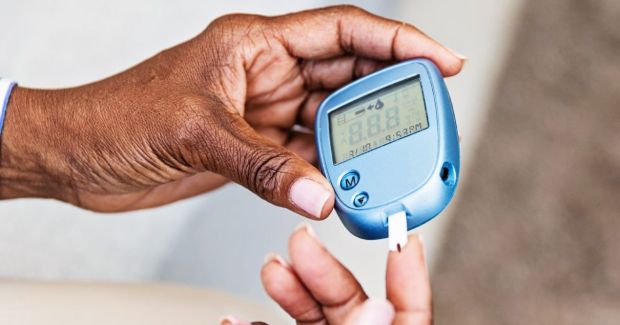
The index, released recently, assesses the health status of countries using a composite score derived from ten key indicators, offering a broad snapshot of population health and lifestyle risks. These indicators include healthy life expectancy, blood pressure levels, blood glucose levels (a major marker for diabetes risk), obesity prevalence, rates of depression, overall happiness, alcohol consumption, tobacco use, levels of physical inactivity, and government expenditure on healthcare.
According to CEOWorld, each country’s score reflects its relative distance from an optimal global health benchmark, allowing comparisons across regions and income levels. The findings highlight stark disparities in health outcomes worldwide, shaped by lifestyle choices, public health investment, and broader social determinants.
Sri Lanka’s low ranking reflects the growing burden of non-communicable diseases (NCDs), a trend consistent with data from the World Health Organization (WHO), which identifies stroke and ischaemic heart disease as the leading causes of death in Sri Lanka, conditions closely linked to high blood pressure, poor diet, physical inactivity, and smoking.
Health experts have repeatedly warned that lifestyle-related illnesses are placing increasing pressure on Sri Lanka’s healthcare system, even as communicable diseases are largely under control. Rising rates of diabetes, hypertension, and cardiovascular disease have been observed over the past two decades, particularly in urban and semi-urban areas.
Despite these concerns, Sri Lanka has made notable gains in life expectancy. WHO data show that life expectancy at birth increased from 71.5 years in 2000 to 77.2 years in 2021, an improvement of 5.72 years over two decades. This progress reflects long-standing strengths in Sri Lanka’s public health system, including maternal and child healthcare, high literacy rates, and relatively broad access to basic medical services.
However, public health analysts caution that longer life expectancy does not necessarily translate into healthier lives, particularly if added years are spent coping with chronic illness, disability, or reduced quality of life.
The CEOWorld report notes that several countries perceived as idyllic or “tropical paradises” also score poorly on health metrics. “Interestingly, even picturesque destinations often seen as tropical paradises have received low health scores. This is largely attributed to poor dietary habits and a lack of physical activity. It’s a reminder that paradise isn’t always synonymous with health,” the report states.
Sri Lanka’s score is influenced by dietary patterns high in carbohydrates, growing consumption of processed foods, declining physical activity levels, and persistent tobacco and alcohol use. Limited government spending on healthcare, particularly for preventive care and mental health services, also weighs on the country’s overall ranking.
At the lower end of the index, war-torn and conflict-affected countries, particularly in sub-Saharan Africa, dominate the bottom of the rankings, reflecting the devastating impact of instability, poverty, and weak health systems. Sri Lanka’s position, while above these nations, underscores concerns that middle-income countries face a different but equally serious health challenge driven by lifestyle and demographic transitions.
Public health advocates argue that Sri Lanka’s ranking should serve as a wake-up call for policymakers to prioritize preventive healthcare, promote physical activity, strengthen nutrition education, and invest more heavily in mental health and NCD management.
-ENCL

Comments are closed, but trackbacks and pingbacks are open.