

Sri Lanka suffers seven-hour nationwide electricity blackout

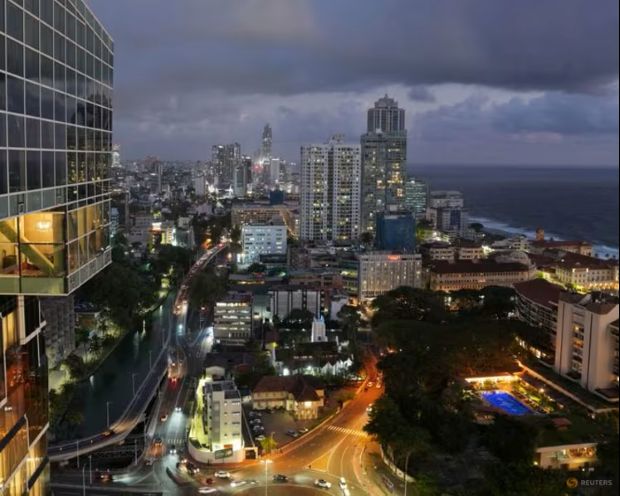
COLOMBO – Sri Lanka restored electricity to most parts of the island by Saturday (17) evening following an island-wide blackout lasting around seven hours, as authorities prepared to launch an expert inquiry into the failure of the national power grid.
Power supplies began returning in stages, with the outage raising fresh concerns over the stability of the national electricity network amid the country’s growing reliance on renewable energy.
Ports, Civil Aviation and Energy Minister Anura Karunathilaka said the government would appoint a high-powered committee of experts to determine the precise cause of the blackout, identify any technical or operational shortcomings and establish whether the failure could have been prevented.
“Our immediate concern was restoring the power supply. We will do everything possible to prevent a recurrence of such power outages,” the Minister said, expressing regret over the inconvenience caused to the public.
The National System Operator (NSO), the successor company to the Ceylon Electricity Board, initially attributed the outage to instability in the national grid but did not immediately establish the exact cause.
Sources familiar with the power generation system suspected that a failure at one of the generating units at the Upper Kotmale Hydropower Plant may have contributed to the breakdown. However, the cause had not been officially confirmed.
Shortly after the power outage around 11:00 a.m. Saturday, NSO requested owners of residential and commercial rooftop solar photovoltaic systems to disconnect their installations from the national grid until further notice to facilitate restoration efforts.
The minister said all available resources had been mobilized to restore supplies, with priority given to bringing the grid back online before investigating the cause of the failure.
The blackout comes amid concerns over the challenges of integrating increasing volumes of solar power into Sri Lanka’s electricity network. The country has an installed solar power capacity exceeding 3,000 megawatts, while daytime electricity demand typically ranges from 2,000 to 2,500 megawatts.
Sri Lanka experienced a similar islandwide power failure in February 2025, when the grid reportedly struggled to recover from a disturbance amid high rooftop solar generation. Electricity supplies took more than six hours to restore on that occasion.
The Ceylon Electricity Board Engineers’ Union had previously warned that a large share of rooftop solar generation could contribute to cascading power failures if the grid was unable to withstand sudden changes in supply and demand.
The rapid expansion of renewable energy has increased the pressure on the utility to maintain grid stability while accommodating electricity generated by private producers and rooftop solar systems. Tax concessions and arrangements allowing consumers to sell surplus electricity to the grid have encouraged the adoption of solar power.
Official data showed that renewable energy, including hydropower and private-sector renewable generation, accounted for 64.4% of electricity generation in May 2025, up from 48.3% a year earlier.
Sri Lanka aims to increase renewable energy’s share of electricity generation to 70% by 2030, while demand is also expected to rise. The government has set a target of expanding solar power generation capacity to nearly 4,400 megawatts within three years, representing a substantial increase from 2024 levels.
–ENCL

Comments are closed, but trackbacks and pingbacks are open.