

Central bank to ‘revisit’ inflation target amid rising concerns

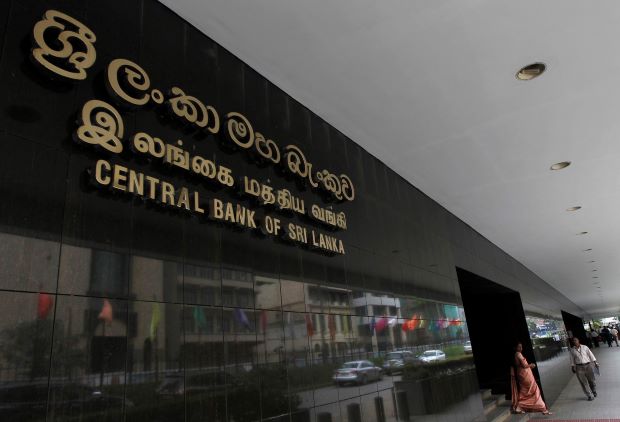
COLOMBO – Sri Lanka’s central bank will revisit its inflation target as part of renewing its agreement with the government, a senior official said, amid growing calls from analysts to lower the current 5% benchmark.
S. Jegajeevan, Director of Economic Research of the Central Bank of Sri Lanka, said the target would be reassessed based on updated technical analysis and changing domestic and global conditions.
“We can continue at the same rate, or we can revise it,” Jegajeevan told reporters in Colombo earlier this month, explaining, “We are planning to revisit the technical analysis because recent movements in inflation and overall economic conditions have changed. We are also planning a stakeholder consultation.”
Under Sri Lanka’s new central bank law, enacted following the country’s sovereign default, a formal agreement on the inflation target was signed with the government in October 2023, defining “price stability” around a 5% level.
Critics argue that the 5% target allows excessive policy flexibility and could enable inflation to rise toward 7% in some years, increasing risks of currency pressure and external imbalances. Some analysts have called for a stricter 2% ceiling, warning that higher targets could heighten the risk of renewed forex shortages if private credit growth accelerates.
Sri Lanka experienced repeated currency crises in the years following the end of its civil war, as liquidity injections aimed at maintaining policy rates contributed to foreign exchange shortages. The crisis culminated in a sovereign default in 2022.
Since September 2022, however, the central bank has maintained tighter monetary conditions. Inflation has remained subdued over the past three years, with only around 4% cumulative price growth recorded during that period, providing what officials describe as a stable foundation for economic recovery.
Jegajeevan said that once the technical review and consultations are completed, the central bank will propose a possible new target to the government.
“In case both parties don’t converge, then the target will be decided by the Cabinet of Ministers. Then that will become the target, and the central bank will be expected to achieve that target,” he said.
The central bank’s recent policy stance has also been supported by relatively moderate global monetary conditions, including actions by the Federal Reserve, which helped contain global commodity prices.
Analysts caution that with private sector credit recovering, any renewed liquidity injections aimed at stimulating inflation could quickly translate into pressure on reserves and the currency. They argue that a lower inflation ceiling could help anchor expectations and reduce the likelihood of another balance of payments crisis.
Debate over the inflation target is expected to intensify as the central bank and government negotiate the renewal of their monetary policy agreement in the coming months.
-ENCL

Comments are closed, but trackbacks and pingbacks are open.