


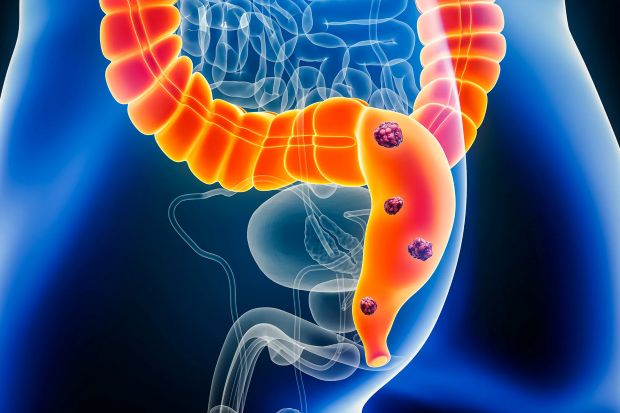
COLOMBO – Sri Lanka is witnessing a significant increase in colorectal diseases, including a growing incidence of colorectal cancer among younger people, a senior gastroenterology specialist has warned.
Dr Sunantha Niruban Consultant Gastroenterologist and Hepatologist at the Galle National Hospital, said colorectal diseases had increased rapidly over the past two decades, with changing lifestyles contributing to the growing burden.
She made the remarks at a media briefing held at the Health Promotion Bureau on Wednesday (12).
According to Dr Niruban, colorectal cancer is among the five most commonly detected cancers in Sri Lanka, with available data indicating an incidence of approximately 10.2 cases per 100,000 people.
Although colorectal cancer is more commonly diagnosed among people over 50, she said an increasing number of younger people were also being affected.
Dr Niruban said 50% to 60% of patients seek medical treatment only after the disease has progressed to an advanced stage, making treatment more difficult and increasing the challenges associated with managing chronic and advanced cases.
Colorectal cancer is currently the second most frequently reported cancer among cancers recorded in Sri Lanka, according to the data cited at the briefing. Men are more commonly affected than women, although the incidence among women is also increasing.
Dr Niruban urged the public not to ignore symptoms that could indicate colorectal disease and to seek medical advice promptly.
These symptoms include blood in the stool, persistent changes in bowel habits, sudden abdominal pain, loss of appetite, unexplained weight loss and anaemia.
She identified changing lifestyles, low-fibre diets, frequent consumption of fast food, physical inactivity, alcohol consumption and smoking as among the major factors associated with the development of colorectal diseases.
Dr Niruban advised the public to reduce their risk by maintaining a healthy, fibre-rich diet, engaging in regular physical activity and adopting healthier lifestyle practices.
She stressed that early medical consultation and detection could help prevent the disease from progressing to more serious stages.
-ENCL

Comments are closed, but trackbacks and pingbacks are open.