

Sri Lanka ends emergency imposed since deadly 2025 cyclone

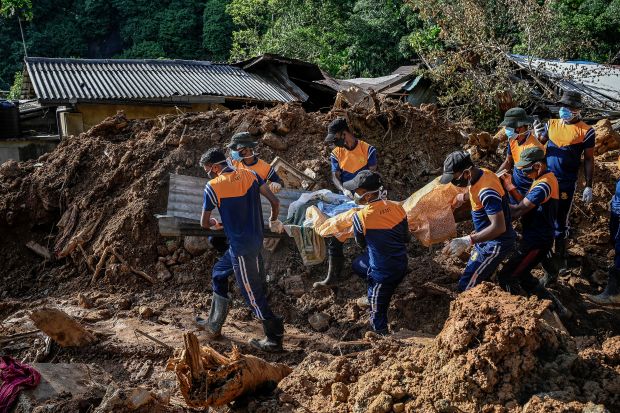
COLOMBO ‒ Sri Lanka on Wednesday (July 1) lifted the nationwide state of emergency imposed following the devastating Cyclone Ditwah, nearly eight months after the storm killed hundreds of people and caused the country’s worst natural disaster in two decades.
Cabinet Spokesman and Minister Nalinda Jayatissa said the emergency regulations, first imposed shortly after the cyclone struck in late November 2025, would not be extended.
“From now on, there will be no state of emergency in the country,” Jayatissa told reporters after the weekly cabinet meeting.
President Anura Kumara Dissanayake declared the state of emergency in the immediate aftermath of the cyclone to facilitate disaster response, rescue operations and recovery efforts. The emergency regulations, which required parliamentary approval every month, granted the government extraordinary powers, including the deployment of the armed forces to maintain essential services, support relief operations and protect damaged properties.
Cyclone Ditwah killed 643 people and affected an estimated 2.2 million people across all 25 districts of the island, according to government figures. About 1.2 million people were directly impacted, while more than 120,000 homes were damaged or destroyed, leaving tens of thousands of families displaced.
The cyclone triggered widespread flooding and landslides, causing extensive damage to roads, railways, schools, hospitals, agriculture, irrigation networks and public utilities. The government has estimated total infrastructure losses at around US$4.1 billion.
During the emergency period, security forces were deployed for search-and-rescue operations, clearing roads and railway lines, restoring essential services and supporting relief and reconstruction programs. The regulations also enabled authorities to take temporary control of damaged properties to prevent looting and illegal occupation.
The government’s decision to seek monthly parliamentary approval to extend the emergency drew criticism from opposition parties and human rights groups, which argued that the prolonged use of emergency powers was unnecessary as the immediate disaster response phase had ended.
The opposition also accused the government of using emergency regulations to suppress political dissent, allegations that the administration has consistently denied.
Under Sri Lanka’s Constitution, a state of emergency may be declared for one month at a time and must be renewed with parliamentary approval.
Emergency rule has been a recurring feature of Sri Lanka’s recent history. The country was governed under emergency regulations for much of the civil war between 1983 and 2009, while separate states of emergency were declared in 2018 during a constitutional crisis, in 2019 following the Easter Sunday bombings, and in 2022 amid widespread anti-government protests triggered by the country’s economic collapse.
-ENCL

Comments are closed, but trackbacks and pingbacks are open.