

Strong export growth key to sustaining economic recovery, says CBSL Governor

By S. Kavishana
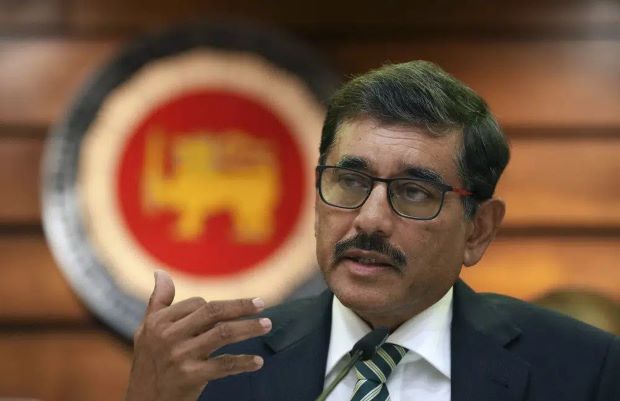
COLOMBO – Sri Lanka has reached a critical transition point from economic stabilization to gradual recovery and sustainable growth, but long-term resilience will depend on building a stronger and more diversified export sector, Central Bank Governor Dr P. Nandalal Weerasinghe said on Tuesday (16).
Addressing the launch of the National Export Development Plan 2026–2030 in Colombo, the Governor said the country had made significant progress since the economic crisis of 2022, supported largely by a rebound in tourism earnings and foreign worker remittances. However, he cautioned that these sources of foreign exchange alone would not be sufficient to ensure long-term economic stability.
“Sri Lanka’s economy has now reached a transition point towards gradual recovery and sustained growth,” Dr Weerasinghe said, noting that while tourism and remittances have contributed to the recovery, a strong export sector was essential to safeguard the economy against shifts in global markets and geopolitical uncertainties.
The Governor described the National Export Development Plan as a major milestone in Sri Lanka’s efforts to transform itself from an import-dependent economy into an export-oriented one, pointing out that Sri Lanka’s export earnings had remained relatively stagnant over the past decade, averaging around USD 12 billion annually. The country’s export basket also remains heavily concentrated, with garments and tea accounting for nearly half of total export revenue, he added.
Dr Weerasinghe said that approximately 40% of Sri Lanka’s exports are destined for Europe and North America, leaving the country vulnerable to economic slowdowns, policy changes, and geopolitical developments in those markets.
The new export development strategy aims to address these structural weaknesses by diversifying both products and markets while strengthening Sri Lanka’s integration into global value chains.
Key priorities of the plan include expanding high-value manufacturing exports, promoting digital and knowledge-based services, exploring new regional and emerging markets, and improving competitiveness through reforms in trade facilitation, quality standards, innovation, and access to finance.
The Governor said the Central Bank was supporting these efforts by maintaining macroeconomic stability and creating a more conducive environment for exporters.
He highlighted the role of a flexible exchange rate regime, low and stable inflation, and improvements in trade finance and digital payment systems in helping Sri Lankan exporters compete more effectively in international markets.
“We are working to ensure greater access to finance for exporters through improvements in trade financing, digital payment infrastructure, and broader financial inclusion initiatives,” he said.
Despite the policy framework now being in place, Dr Weerasinghe stressed that the success of the National Export Development Plan would ultimately depend on effective implementation.
He called for closer collaboration between government institutions, the private sector, exporters, investors, and other stakeholders to ensure that the plan’s objectives are translated into tangible economic gains.
“Sustainable economic growth cannot be achieved through policy formulation alone. It requires coordinated action, commitment, and effective implementation by all stakeholders,” he said.
-ENCL

Comments are closed, but trackbacks and pingbacks are open.